Separate Showroom From Service
Coordinate the customer-facing brand experience without forcing the same system into lifts, tools, fluids, wash activity, and repair traffic.
Plan for this outcome
Automotive dealerships, shops & service bays · Greater Houston
Evaluate showrooms, service bays, repair shops, detailing areas, parts rooms, and fleet facilities around traffic, chemicals, water, appearance, and the time available before vehicles return.
Discuss the facility · 713-485-9889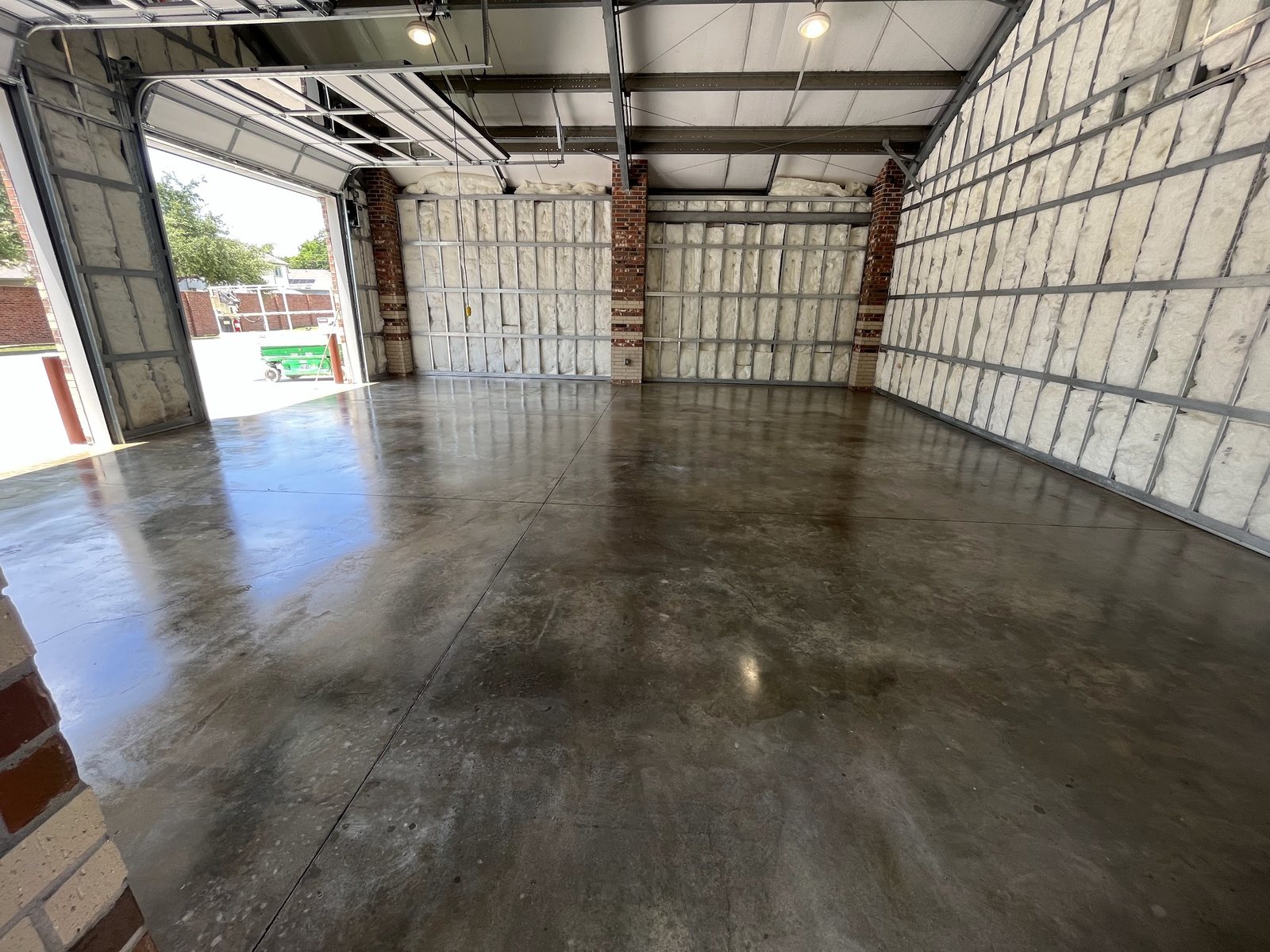
Start with the facility zones and operating pressure
The best direction can change between a showroom, service bay, wash area, parts room, customer lane, and fleet shop. Astro starts with the result each zone needs.
Coordinate the customer-facing brand experience without forcing the same system into lifts, tools, fluids, wash activity, and repair traffic.
Plan for this outcomeDocument vehicles, tires, lifts, jacks, toolboxes, stands, impact, abrasion, turning, and concentrated work areas before specifying the build.
Plan for this outcomeIdentify actual fluids, chemicals, contact time, wash methods, drains, slope, texture, and cleanup expectations by zone.
Plan for this outcomeWork backward from removal, repairs, cure conditions, equipment reset, foot traffic, vehicle return, inspections, and the required reopening.
Plan for this outcomeHouston automotive flooring use cases
The showroom, service drive, repair bay, wash area, body shop, parts room, and exterior lane do not earn the same specification simply because vehicles cross them.
What the floor experiences
Customers, displayed vehicles, tire contact, turning, detailing, tracked water, storefront light, brand standards, and constant visual scrutiny
Plan before specifying
Set the visual field, color, sheen, texture, cleaning plan, tire-contact expectations, sunlight exposure, and vehicle-return milestone before selecting the complete system.
What the floor experiences
Vehicles, lifts, jacks, toolboxes, dropped parts, oils, fuels, coolants, brake products, tire traffic, abrasion, and repeated cleanup
Plan before specifying
Map loads, turning, impact, lift and anchor locations, exact fluids, contact time, contamination, traffic lanes, bay markings, cleaning, and downtime.
What the floor experiences
Frequent water, detergents, tire traffic, standing wetness, hoses, drains, slope, squeegees, rolling equipment, and temperature change
Plan before specifying
Measure water flow, ponding, drains, trenches, slope, wash chemistry, footwear, texture, cleaning tools, edges, and the transition into dry areas.
What the floor experiences
Sanding residue, parts, rolling equipment, impact, coatings, cleaners, solvents, masking, overspray, and changing work cells
Plan before specifying
Provide the actual product and safety-data list, cleaning process, equipment layout, ventilation constraints, contamination history, and zone-marking needs.
What the floor experiences
Pallet jacks, carts, tires, shelving, deliveries, staging, concentrated turns, dust, packaging debris, fluids, and changing rack layouts
Plan before specifying
Document wheeled traffic, loads, rack anchors, receiving paths, joints, door thresholds, storage products, markings, cleaning, and future layout changes.
What the floor experiences
Mixed vehicle sizes, stands, trailers, service equipment, wider turning paths, storage, fluids, wash work, long dwell times, and phased operations
Plan before specifying
Separate display, maintenance, wash, storage, and exterior traffic areas, then define vehicle weight, stands, wheels, fluids, access, and staged turnover by zone.
A dealership can carry one color family from showroom to service while changing sheen, texture, system thickness, aggregate, topcoat, markings, and detail work where traffic, chemicals, water, or impact change. One brand does not require one floor build everywhere.
The information behind a defensible scope
The word automotive is not a specification. Useful recommendations begin with actual vehicles, equipment, fluids, wash methods, concrete conditions, markings, and the sequence required to restore operations.
Send dimensions by zone, wide photos, close views of oil and damage, equipment and lift locations, drains and slopes, traffic, the actual fluids and cleaners used, bay markings, operating hours, and the required reopening sequence.
Automotive epoxy and resinous floor comparison
Decorative, solid-color, flake, quartz, heavy-duty, and exterior traffic-bearing directions solve different problems. Preparation, primer, build thickness, aggregate, topcoat, texture, operating conditions, and installation quality matter as much as the product label.
01
Strong starting conversation
Predominantly dry dealership showrooms, delivery areas, and design-led display zones
Visual & practical direction
Reflective depth, clouds, veins, layered color, marble-like movement, and a custom non-repeating field
Evaluate before selecting
Concrete condition, vehicle and tire contact, grit, sunlight, color stability, texture, topcoat, cleaning, visible wear, and return-to-vehicle timing
02
Strong starting conversation
Dry or moderate-use bays, parts rooms, corridors, showrooms, offices, and controlled color fields
Visual & practical direction
Uniform color direction with selected sheen, optional texture, clean transitions, and coordinated markings
Evaluate before selecting
Primer, system thickness, wear level, loads, exact chemicals, wetness, texture, topcoat, repair visibility, cleaning, and current documentation
03
Strong starting conversation
Practical service areas, mixed-use shops, parts rooms, employee areas, utility zones, and selected customer-facing spaces
Visual & practical direction
Multi-tone chip field that adds texture and visually softens everyday dust, marks, repairs, and color variation
Evaluate before selecting
Broadcast density, topcoat, texture, tire traffic, lifts, impact, fluids, cleaning, sunlight, markings, and complete layer build
04
Strong starting conversation
Wet, oily, detailing, wash, entry, restroom, and heavier-use service zones needing a finer textured direction
Visual & practical direction
Dense fine-grain aggregate field in coordinated color blends with adjustable texture
Evaluate before selecting
Water, oil, wash chemistry, drains, slope, footwear, carts, tires, texture, cleanability, coves, transitions, topcoat, and system thickness
05
Strong starting conversation
Higher-impact work cells, damaged concrete, loading points, heavy service traffic, and defined severe-use areas
Visual & practical direction
Performance-led resurfacing or aggregate build with color, texture, and markings coordinated around the operation
Evaluate before selecting
Spalls, slab strength, oil, impact, wheel loads, tools, temperature, chemicals, thickness, transitions, cure conditions, and manufacturer limits
06
Strong starting conversation
Exterior drives, ramps, parking decks, exposed customer lanes, and vehicle areas outside the conditioned building
Visual & practical direction
Purpose-designed vehicular surface with texture, markings, traffic paths, and architectural color considered together
Evaluate before selecting
Sun, rain, drainage, thermal movement, cracking, ramps, turning, waterproofing needs, joints, petrochemicals, substrate, and a product-specific specification
The complete system must be checked against the actual product, concentration, temperature, contact time, frequency, and cleanup. Fuels, oils, coolants, brake products, cleaners, solvents, battery-related exposure, salts, and detailing chemistry are not interchangeable.
Recoat, light foot traffic, equipment reset, parked vehicles, driving and turning, wash activity, and full chemical resistance can have different milestones. Use the selected system's current written schedule and the actual site conditions.
The details that control service-bay durability
Large open floor areas attract attention, but automotive failures and maintenance problems often begin at penetrations, moving concrete, contaminated edges, drain details, thresholds, and equipment interfaces.
01
Identify lift pads, anchors, bolt holes, alignment racks, compressors, reels, benches, toolboxes, chargers, and equipment that stays or returns after the floor.
02
Document drain rings, trench edges, low areas, water flow, transitions, cleanouts, penetrations, and whether other trades must correct drainage.
03
Assign an agreed treatment to cracks, control joints, moving joints, failed patches, spalled edges, and damaged concrete while preserving joints that must function.
04
Measure overhead-door lines, apron transitions, offices, customer areas, restrooms, ramps, adjacent flooring, clearances, and termination edges.
05
Plan bay numbers, walkways, keep-clear areas, vehicle lanes, arrows, equipment limits, storage fields, color coding, and any facility-specific standard.
06
Review coves, curbs, equipment bases, columns, pits, walls, bollards, edge protection, and the places where fluids or cleaning water can migrate.
A smoother finish can be easier to mop or squeegee but may not suit a wet or oily area. More aggregate changes traction conditions while also affecting cleaning, rolling equipment, tire movement, gloss, and how residue is removed. No finished floor is described as slip-proof.
Sun, rain, thermal movement, drainage, cracking, ramps, turning, waterproofing, and joints make an exposed drive or parking deck different from an interior showroom. Ordinary interior epoxy should not be presented as a universal exterior traffic membrane.
From site review to vehicles returning
A useful proposal connects the selected finish to concrete preparation, chemical verification, equipment sequencing, bay access, and the actual milestones required to restore operations.
01
Separate showroom, delivery, customer lane, service, wash, body, parts, receiving, office, restroom, storage, and exterior zones.
02
Review existing materials, oil and chemical history, moisture, bond, cracks, joints, spalls, patches, drains, slope, and transitions.
03
Record vehicles, loads, tires, lifts, tools, fluids, wash activity, traffic, markings, cleaning, sunlight, and maintenance by zone.
04
Define preparation, repairs, system layers, texture, color, sheen, topcoat, markings, details, limitations, and acceptance criteria.
05
Sequence clearing, preparation, installation, ventilation, cure conditions, inspections, equipment reset, traffic return, and phasing.
06
Complete the written scope and review protection, cleaning, return-to-service milestones, maintenance, limitations, and warranty terms.
Paint, epoxy, sealer, adhesive, tire residue, curing compounds, oil, chemicals, weak repairs, and damaged concrete can compromise bond. Removal, decontamination, mechanical preparation, repairs, moisture evaluation, and test areas may be required. If a reliable substrate cannot be produced, the recommendation has to change.
“Ready” can mean ready for foot traffic, toolboxes, lifts, parked vehicles, driving, turning tires, wash operations, chemical exposure, or full production. Define each milestone, then work backward through clearing, repairs, installation, cure conditions, inspections, protection, and equipment reset.
Verified Astro installations
Astro's current portfolio includes a government facility floor and residential vehicle-space finishes. They show related preparation, design, cleaning, and vehicle-return experience; they are not presented as completed dealership service-bay case studies.
Related commercial facility proof
Clear epoxy grind-and-seal flooring in a government facility. Relevant commercial process proof—not a claim that this exact build fits an automotive service bay.
Residential vehicle-space proof · Metallic
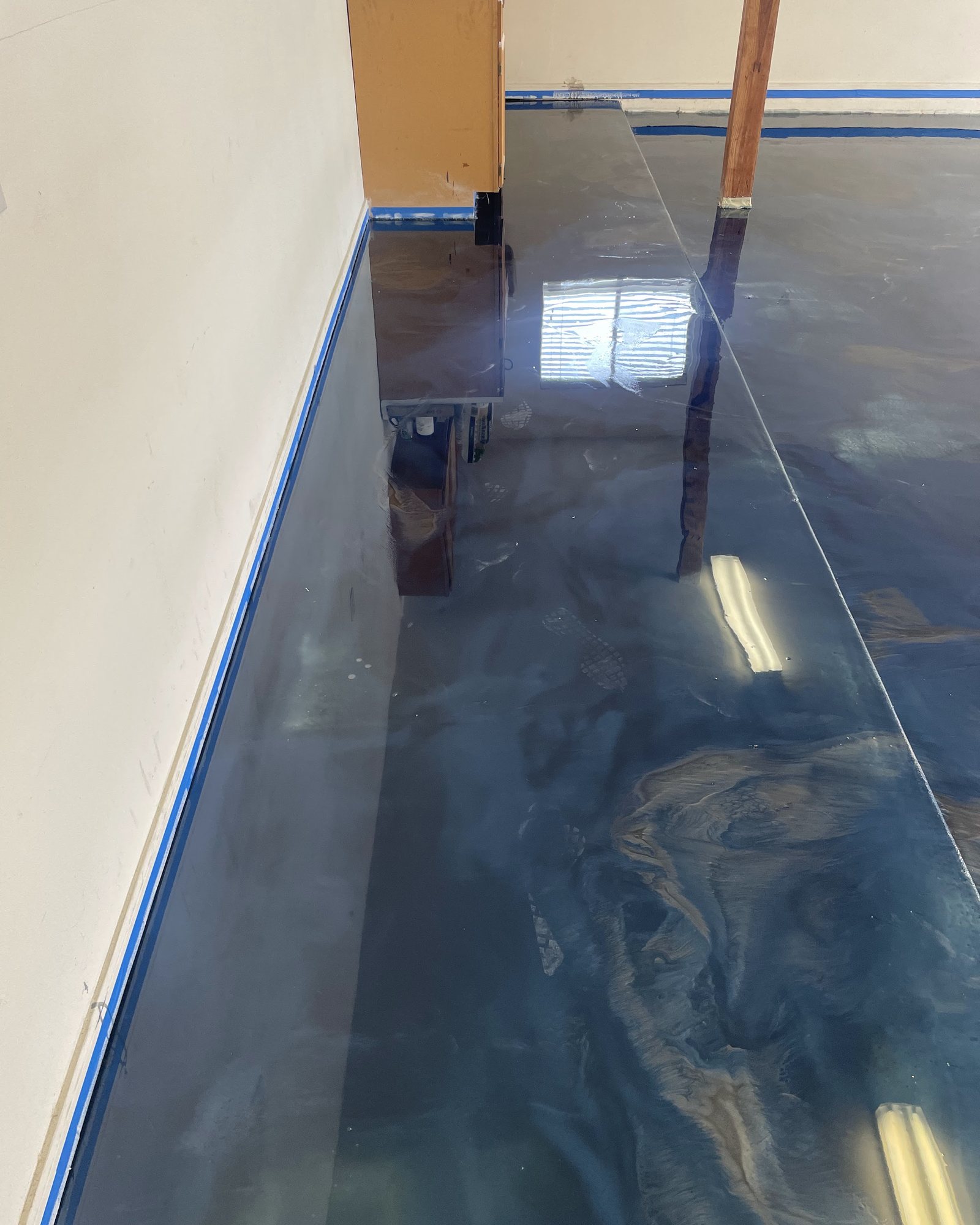
Approximately 600 sq ft of blue-and-grey metallic flooring in a residential garage—vehicle-space design proof, not a commercial showroom claim.
View project details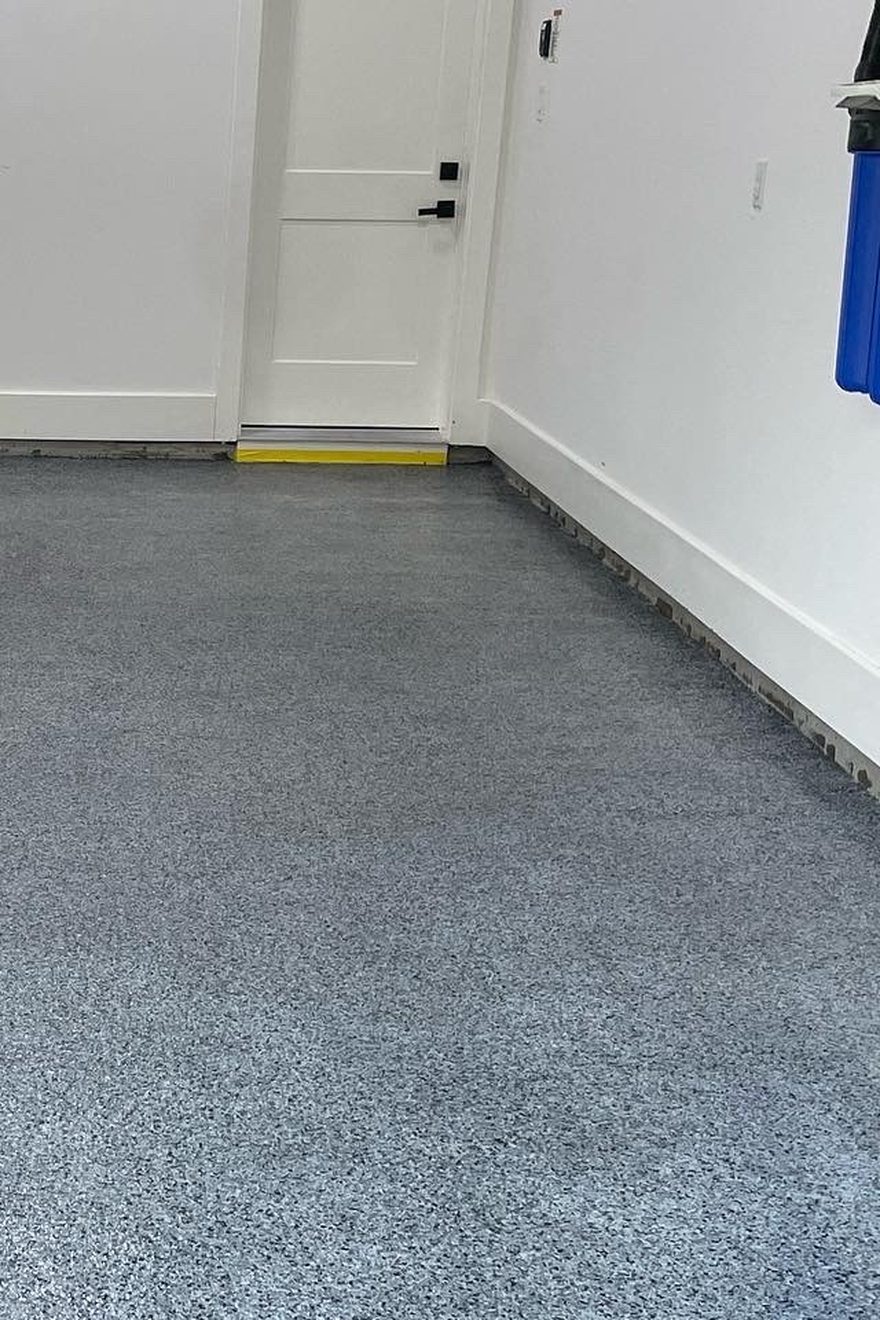
Residential vehicle-space proof · Flake
Approximately 450 sq ft of flake flooring in a residential garage—a related practical vehicle-floor example, not service-bay performance proof.
View project detailsCompare brand design, metallic movement, sheen, storefront light, fixtures, customer traffic, and merchandising through the retail and showroom guide.
Explore the Showroom GuideCompare forklifts, pallet traffic, fabrication, storage, production, workflow, and broader industrial-zone planning through the warehouse and shop guide.
Explore the Warehouse GuideAutomotive shop and dealership floor coating cost
Square footage matters, but oil, coating removal, concrete damage, drains, lifts, vehicle loads, chemicals, aggregate, markings, equipment moves, phasing, and vehicle-return requirements often control the real work. Astro prices the written system and shutdown sequence—not an undefined shop-floor coating.
7
A zone plan, photos, equipment and lift information, chemical list, traffic, markings, and closure requirements can start the review. A site visit or complete construction information turns it into a defensible scope.
Start the Automotive ReviewBefore the automotive facility site review
Direct answers for dealership owners, service directors, shop operators, fleet managers, facility teams, designers, and general contractors planning a Houston automotive-floor project.
There is no universal best coating. Decorative or metallic epoxy can lead a predominantly dry showroom; solid-color resinous floors can suit selected dry or moderate-use zones; flake can support practical mixed-use areas; quartz can add a finer textured direction in wet or oily zones; heavy-duty broadcast or mortar builds can be evaluated for damaged or severe-use areas; and exterior vehicle surfaces need their own traffic-bearing specification. The concrete and operating data decide the final scope.
Usually they should be evaluated separately. A showroom prioritizes brand presentation, customers, displayed vehicles, tire contact, cleaning, glare, and storefront light. Service bays add lifts, jacks, tools, impact, heavy abrasion, fluids, chemicals, wet work, and markings. Colors can coordinate without forcing one build into both environments.
Resistance is specific, not universal. Provide the product name and safety data sheet when available, concentration, temperature, expected contact time, frequency, and cleanup method. The complete proposed system should then be checked against current manufacturer documentation. No floor is presented as chemical-proof.
Vehicle type, tire composition and temperature, parking duration, turning, braking, surface preparation, primer, complete system build, cure conditions, and vehicle-return timing all matter. Astro evaluates the actual use and current documentation rather than making a universal hot-tire-proof claim.
Texture can be adjusted, but no floor is slip-proof. Water, oil, detergents, footwear, tires, slope, drains, cleaning residue, squeegees, carts, and desired cleanability affect the decision. More texture can improve grip conditions while requiring a cleaning process capable of reaching that profile.
A coating alone does not redesign drainage. Slopes, low areas, trenches, drain elevations, ponding, and transitions must be measured. Localized repair or resurfacing may be possible, while larger drainage or plumbing corrections can require work by the appropriate trade.
Not automatically. Existing materials, oil, chemicals, tire residue, weak repairs, and contamination can interfere with bond. The floor must be evaluated for removal, cleaning, mechanical preparation, repairs, test areas, moisture, and whether a reliable substrate can be produced.
Markings and color fields can be coordinated with the coating scope. Provide a current layout showing bay numbers, vehicle lanes, pedestrian paths, equipment clearances, restricted areas, storage, and any facility or brand standards so colors and placement can be reviewed before installation.
Those can be different milestones. Timing depends on removal, preparation, repairs, system layers, temperature, humidity, ventilation, cure conditions, and the selected materials. Astro works backward from light foot traffic, equipment reset, parked vehicles, driving and turning, wash activity, chemical exposure, inspection, and full operation.
Send the address, floor plan or dimensions by zone, wide photos, close photos of coatings, oil, damage, drains, and joints, vehicle and equipment list, lift or anchor plan, actual fluids and cleaning products, wash process, operating hours, markings, access limits, and required closure and reopening dates. A walkthrough video is often useful.
Houston automotive facility project request
Send the current floor, dimensions by zone, vehicle and equipment traffic, drains, cleaning process, actual fluids, markings, access, and required return dates. Astro will identify the next questions and system directions worth evaluating.